The Ultimate Guide to Menopause Hair Thinning: Vitamins & Care
Noticeable hair loss is one of the most emotional symptoms of perimenopause. Understand the 'why' and what actually works for regrowth.
Verified against Clinical Guidelines
This article was developed and verified against current clinical standards from NAMS, BMS, and the STRAW+10 staging framework.
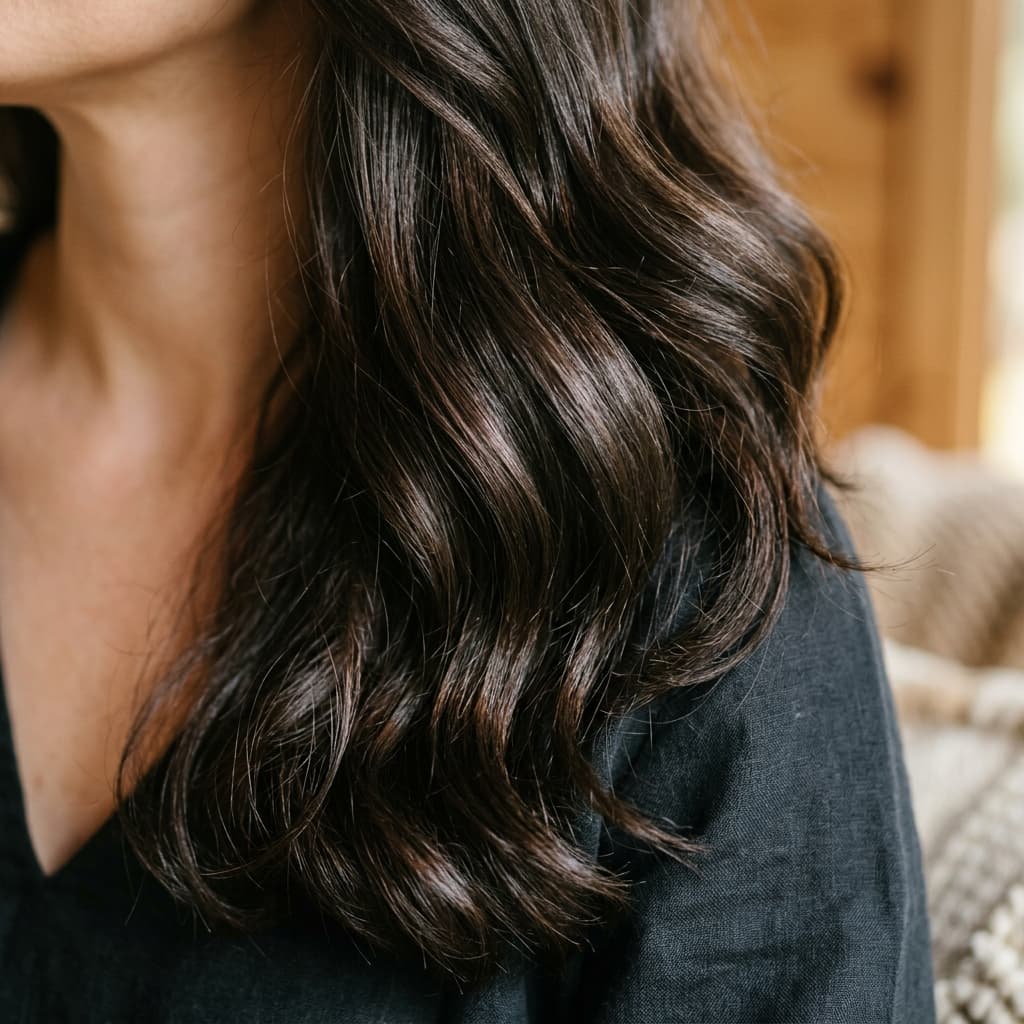
As estrogen and progesterone fall, your body's relatively higher levels of androgens can shrink hair follicles. This is known as 'androgenetic alopecia' and is extremely common in midlife. It isn't a problem with your hair; it's a problem with the hormonal environment around the follicle.
What to Look For in Supplements
Biotin is famous, but iron and Vitamin D are often more important for women in perimenopause. Low ferritin (iron stores) is a primary driver of shedding during the transition.
Start Today
- Ask your GP for a full iron panel (including ferritin).
- Switch to a scalp-stimulating massage routine.
- Track your 'shed days' in Periwell.
Related on Periwell
Next step
Check your hair health tags
Use Periwell to track specific hair changes (texture, shedding rate) alongside your cycle data.
Open Symptom Wiki →Keep reading
- Perimenopause and Bone Loss: What to Know About Osteoporosis
Bone loss accelerates in perimenopause before symptoms appear. Learn why, what a DEXA scan tells you, and how to protect your skeleton now.
- Heart Palpitations: When It’s Hormones and When to See a Doctor
Sudden racing or fluttering in your chest can be alarming. Learn how perimenopause affects your heart rhythm and when to seek medical advice.
- Skin Changes After 40: Managing Dryness, Itching, and Acne
Your skin's needs change as your hormones shift. From 'menopause acne' to extreme dryness, here is how to adjust your skincare routine.