Is insulin resistance a sign of perimenopause?
Changes in how the body processes blood sugar, leading to fatigue and cravings.
Why it happens
Estrogen regulates how the liver processes cholesterol and how cells respond to insulin. As it fluctuates and declines, metabolic risk rises rapidly -- often within the perimenopausal window -- making this transition a critical period for cardiovascular and metabolic health intervention.
Don't guess.
Know your stage.
Our 5-minute Pattern Preview uses the Greene Climacteric Scale and STRAW+10 framework to show you where you are in your transition — and generate a report you can share with your doctor.
Generates a PDF you can share directly with your provider.
You are not alone
6,000 women enter menopause every day in the U.S., yet 1 in 3 receive an incorrect diagnosis first. Tracking insulin resistance helps build a clinical picture of your specific transition phase — evidence you can bring to any provider.
Practical Strategies & Expert Blogs

Blood Sugar Rollercoaster: How Perimenopause Affects Glucose
Feeling 'hangry' or crashing after lunch? Your hormones might be making you less sensitive to insulin. Here is how to stabilize your energy.
Full Strategy →
Intermittent Fasting and Perimenopause: Is It Right for You?
Fasting is a popular tool, but for women in the menopause transition, it requires a different approach. Learn the 'Expert Friend' rules for fasting.
Full Strategy →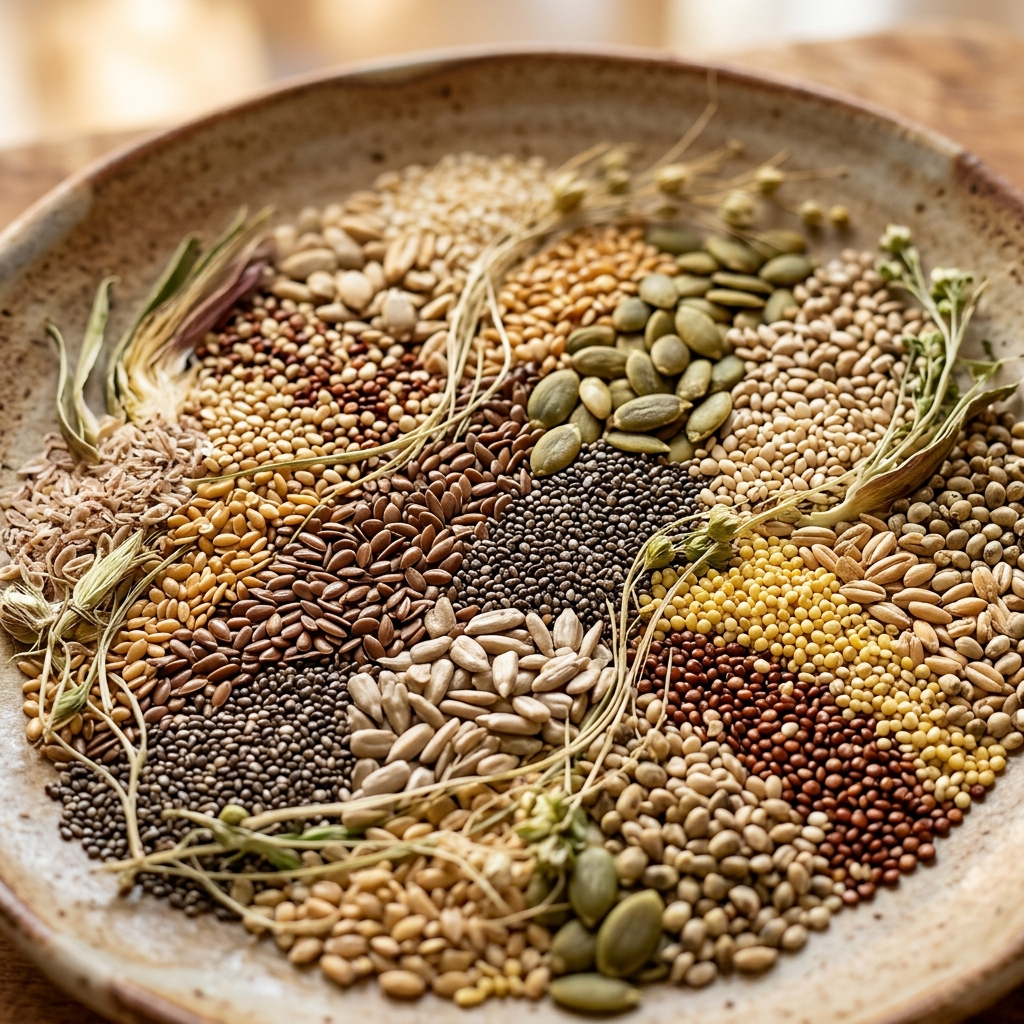
Fiber: The Unsung Hero of Perimenopausal Hormonal Balance
Fiber does more than just aid digestion—it is critical for clearing excess estrogen through the gut. Learn how to optimize your intake.
Full Strategy →