Insulin Resistance
Feeling hangry, crashing in the afternoon, or seeing your HbA1c creep up despite a healthy lifestyle.
Biological Mechanism
Estrogen directly enhances insulin sensitivity in skeletal muscle. As estrogen fluctuates and declines, cells become slightly 'deaf' to insulin. The pancreas must pump out more insulin to clear glucose from the blood. High insulin blocks fat burning and drives further fatigue.
Common Misdiagnoses
Type 2 Diabetes (it is often the precursor)
Evidence-Based Treatments
- 01Systemic HRT
Consistently shown to improve insulin sensitivity and reduce new-onset Type 2 Diabetes risk in postmenopausal women.
- 02GLP-1 Agonists
Increasingly prescribed for severe metabolic decompensation during the transition.
Practical Management & Strategies

Blood Sugar Rollercoaster: How Perimenopause Affects Glucose
Feeling 'hangry' or crashing after lunch? Your hormones might be making you less sensitive to insulin. Here is how to stabilize your energy.
Read Strategy →
Intermittent Fasting and Perimenopause: Is It Right for You?
Fasting is a popular tool, but for women in the menopause transition, it requires a different approach. Learn the 'Expert Friend' rules for fasting.
Read Strategy →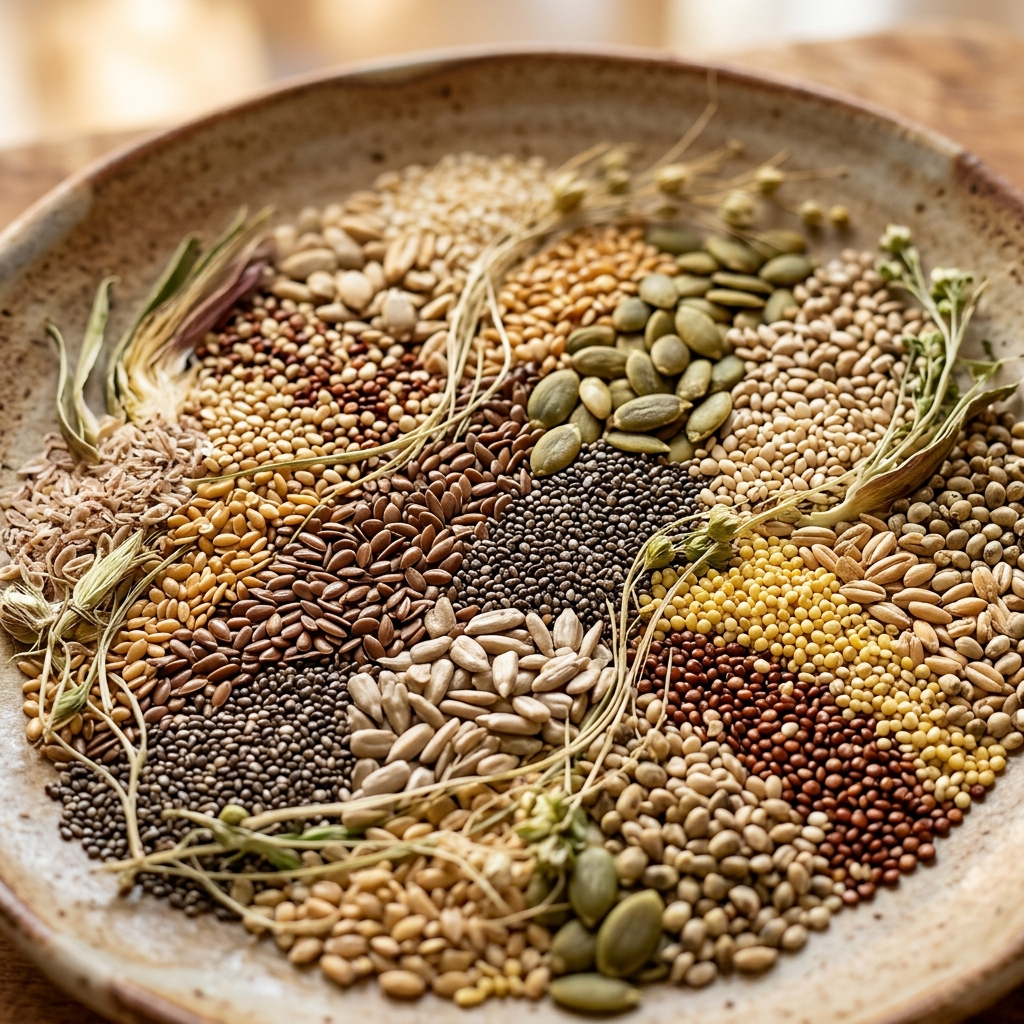
Fiber: The Unsung Hero of Perimenopausal Hormonal Balance
Fiber does more than just aid digestion—it is critical for clearing excess estrogen through the gut. Learn how to optimize your intake.
Read Strategy →