Is joint pain a sign of perimenopause?
Aching and stiffness in joints, frequently the knees and hands.
Why it happens
Estrogen has a direct anti-inflammatory effect on joints and supports cartilage integrity. As levels drop during perimenopause, women experience a surge in musculoskeletal complaints -- often before other classic symptoms appear. Joint pain is frequently attributed to getting older rather than hormonal change.
Don't guess.
Know your stage.
Our 5-minute Pattern Preview uses the Greene Climacteric Scale and STRAW+10 framework to show you where you are in your transition — and generate a report you can share with your doctor.
Generates a PDF you can share directly with your provider.
You are not alone
6,000 women enter menopause every day in the U.S., yet 1 in 3 receive an incorrect diagnosis first. Tracking joint pain helps build a clinical picture of your specific transition phase — evidence you can bring to any provider.
Practical Strategies & Expert Blogs
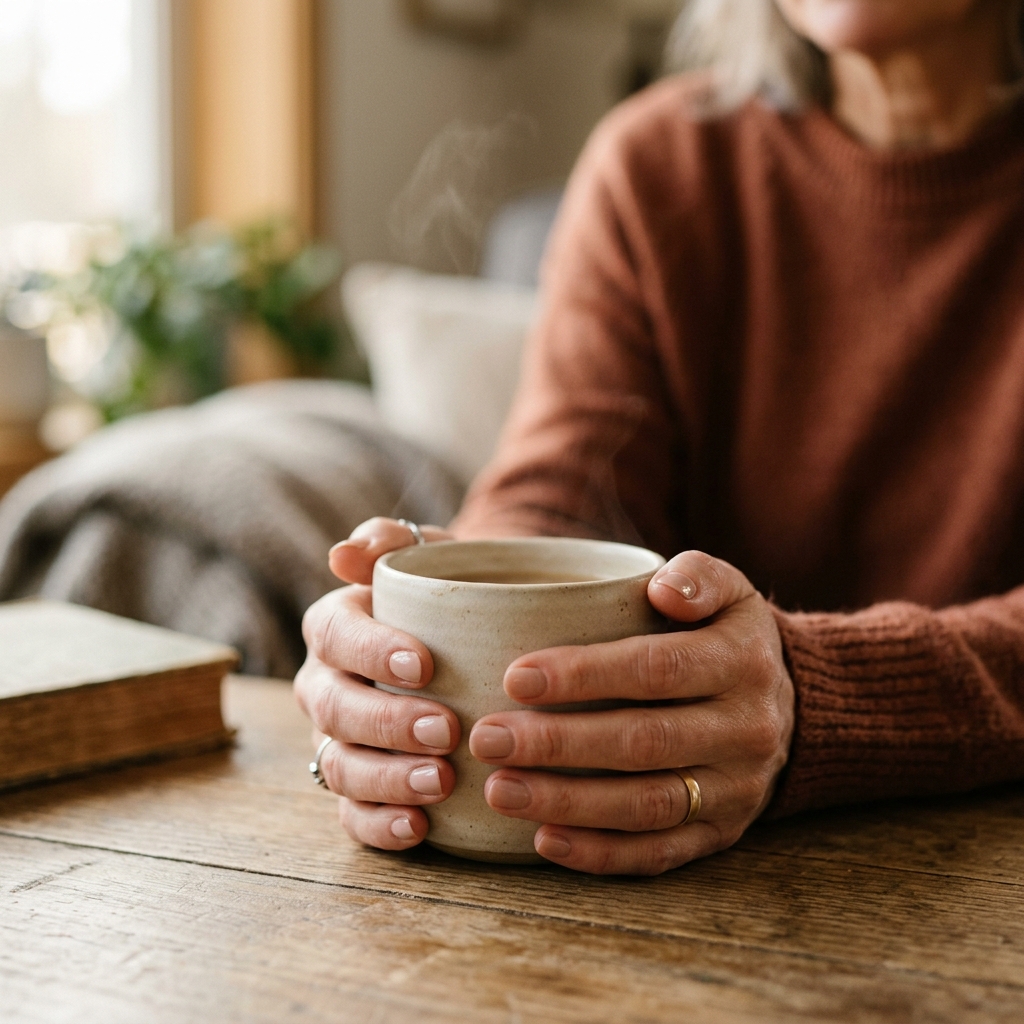
Joint Pain or Perimenopause? The Oestrogen Connection
Aching hips, knees, and hands are often misdiagnosed as 'just getting older.' We show how estrogen protects your joints.
Full Strategy →
The Best Supplements for Perimenopause 2026: A Science-Backed Guide
The supplement market is full of 'miracle cures.' We cut through the hype to tell you what actually has evidence for menopause relief.
Full Strategy →
The Best Home Strength Routine for Women Over 40
You don't need a gym membership to fight sarcopenia. Here is a science-backed, 20-minute home routine to build muscle and boost metabolism.
Full Strategy →