Phytoestrogens: Can Soy Really Help Your Symptoms?
Soy has been controversial, but the latest science shows it can be a powerful ally for managing perimenopause symptoms. Let's look at the data.
Verified against Clinical Guidelines
This article was developed and verified against current clinical standards from NAMS, BMS, and the STRAW+10 staging framework.
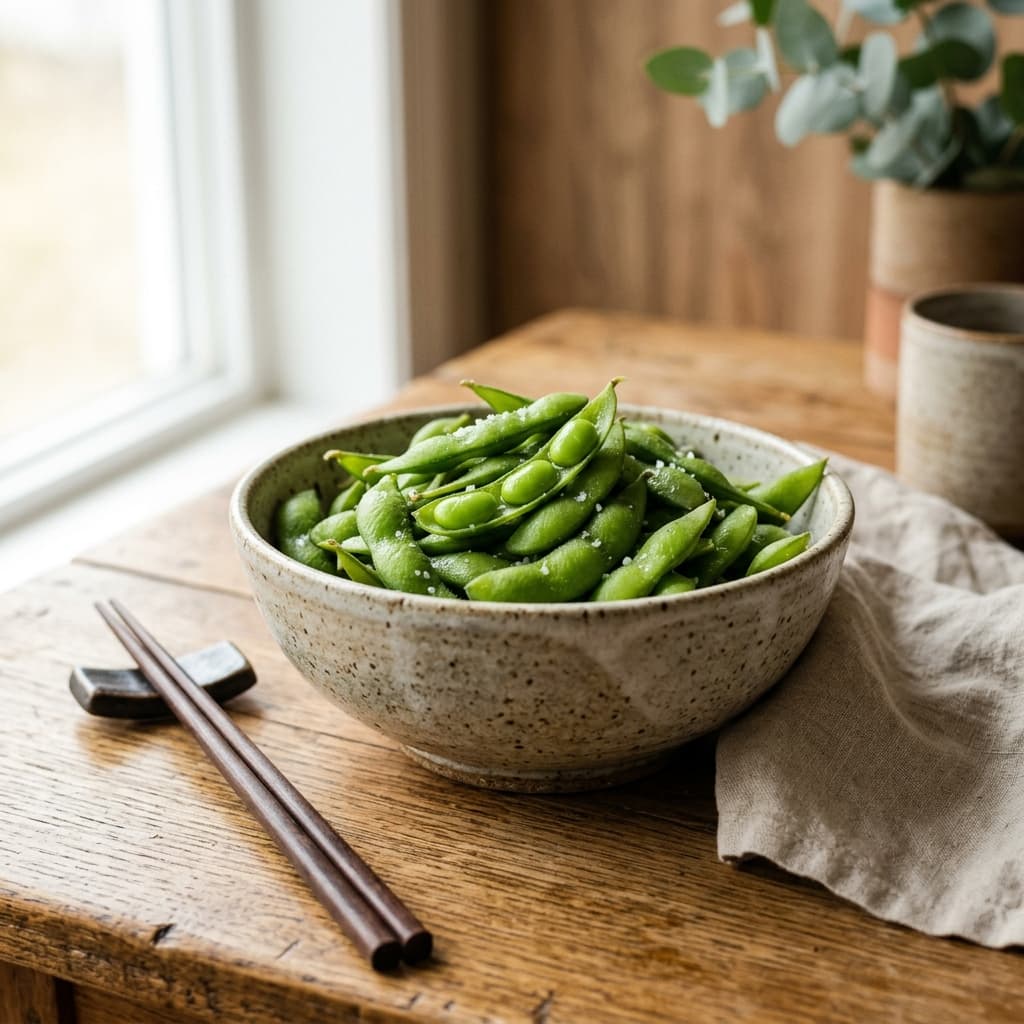
Phytoestrogens are plant-based compounds that can weakly bind to estrogen receptors. For some women, they can 'take the edge off' perimenopause symptoms by providing a subtle hormonal signal when natural levels are low.
Whole Foods vs. Supplements
The best data comes from whole-food sources like organic tofu, tempeh, and edamame. These provide isoflavones along with quality protein and fiber, making them a triple-threat for metabolic health.
Implementation
- Aim for 1-2 servings of whole-food soy per day.
- Avoid highly processed soy 'isolates' found in protein bars.
- Monitor your symptom response in Periwell.
Related on Periwell
Next step
Log your soy intake
Try including whole-food soy (tofu/tempeh) for 14 days and log your hot flash frequency in Periwell.
Open Symptom Wiki →Keep reading
- Elevated Cholesterol in Perimenopause: What Your Labs Really Mean
LDL rising without dietary changes? Oestrogen's decline shifts your lipid profile. Learn to read your results and reduce cardiovascular risk.
- Migraines in Perimenopause: Why They Worsen and What Helps
New or worsening migraines are common in perimenopause. Learn the estrogen link, what migraine with aura means for HRT, and how to track patterns.
- Dizziness and Vertigo in Perimenopause: Causes and When to Act
Is dizziness a perimenopause symptom? Understand why it happens, the different types, red flags to watch for, and how to log episodes effectively.