Best Perimenopause Apps in 2026: What Actually Helps
A critical look at trackers, education apps, and “femtech”—plus what to demand if your goal is clinician-ready reporting.
Verified against Clinical Guidelines
This article was developed and verified against current clinical standards from NAMS, BMS, and the STRAW+10 staging framework.
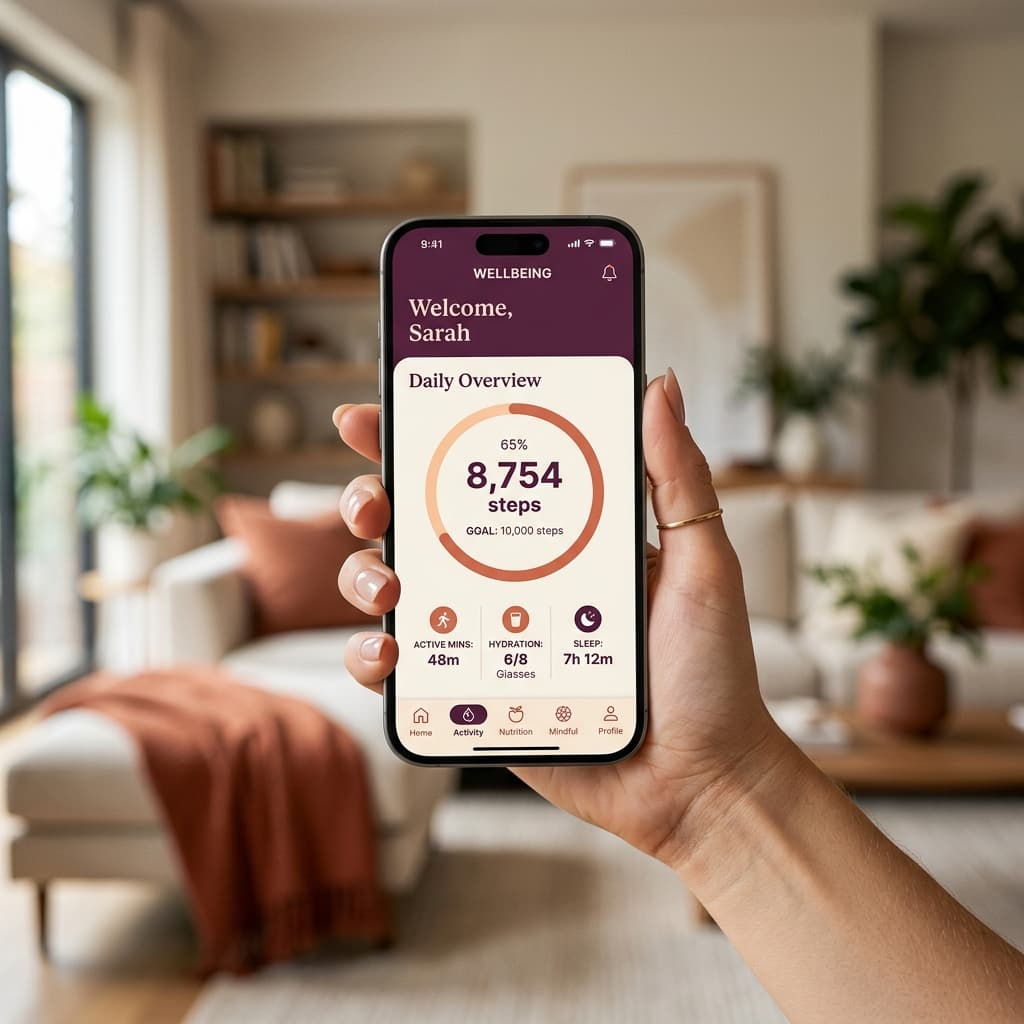
App store categories blur together: period trackers add “menopause mode,” meditation apps add symptom tags, and generic journals promise everything. For midlife, the question is whether an app improves outcomes you care about: sleep, hot flashes, clarity at work, and productive medical visits.
What we look for in a serious app
- Symptom depth beyond hot flashes—cognition, mood nuance, palpitations, urogenital symptoms.
- Export or summary formats a clinician can scan in minutes.
- Privacy transparency that passes the “would I want my employer to see this?” test.
- Evidence references for educational claims, not influencer vibes.
Categories of tools
Education-first
Useful for learning terminology and options. Weak if you need structured data for prescribing decisions.
Tracking-first
Strong when they capture severity, timing, and triggers. Weak when they reduce your experience to a single emoji score.
Care navigation
Directories and telehealth intake can shorten the search for expertise—pair them with your own symptom log for best results.
Related on Periwell
Next step
Start with Periwell’s approach
Periwell focuses on clinician-grade logging, STRAW+10 alignment, and a Health Report designed for real visits—not generic wellness scores.
Open Home →Keep reading
- 10 High-Protein Breakfasts That Stabilize Perimenopause Energy
Starting your day with enough protein is the secret to managing morning 'brain fog' and afternoon energy crashes. Here are 10 easy ideas.
- Elevated Cholesterol in Perimenopause: What Your Labs Really Mean
LDL rising without dietary changes? Oestrogen's decline shifts your lipid profile. Learn to read your results and reduce cardiovascular risk.
- Perimenopause vs Thyroid Problems: How to Tell the Difference
Fatigue, weight changes, and brain fog can signal perimenopause or thyroid disease—or both. Learn which symptoms point where and why testing matters.